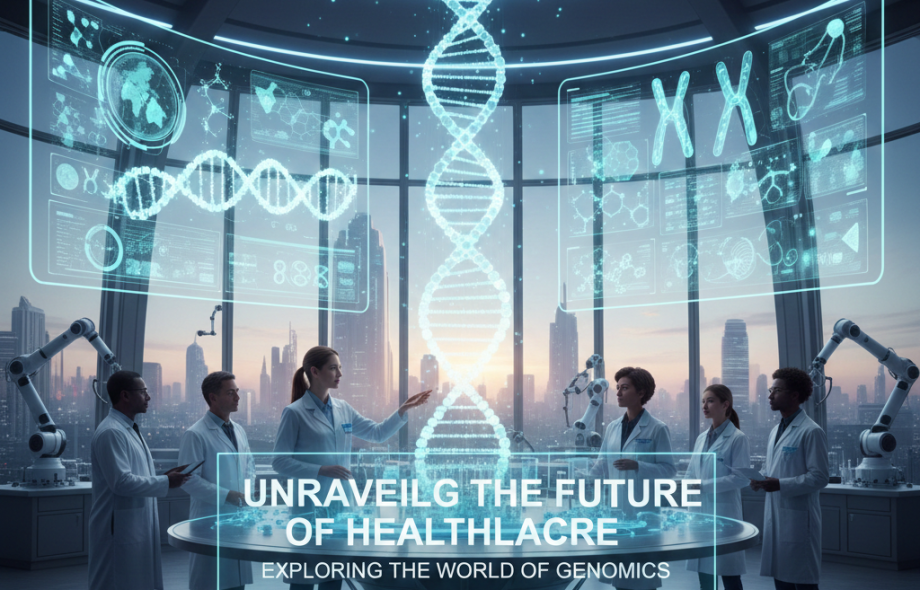
Genomics, the study of an organism’s complete set of DNA, has been at the forefront of cutting-edge technology in recent years. This rapidly evolving field has the potential to revolutionize healthcare, personalized medicine, and even our understanding of human evolution. With the advancements in sequencing technologies, researchers are uncovering new insights into the genetic makeup of individuals, populations, and even entire species.
One of the key areas where genomics is making a significant impact is in the field of personalized medicine. By analyzing an individual’s genetic information, doctors can tailor treatments to their specific genetic makeup, leading to more effective and targeted therapies. This has the potential to not only improve patient outcomes but also reduce healthcare costs by avoiding unnecessary treatments and medications.
Furthermore, genomics is providing invaluable insights into human evolution and population genetics. By sequencing the genomes of diverse populations around the world, researchers are gaining a better understanding of human migration patterns, genetic diversity, and the origins of certain diseases. This knowledge can help us better grasp our shared history and develop more targeted interventions for genetic disorders.
In addition to healthcare applications, genomics is also playing a crucial role in agriculture and conservation efforts. By sequencing the genomes of various crops and endangered species, scientists can develop more resilient and productive crops, as well as implement better conservation strategies to protect vulnerable species. This has the potential to address food security challenges and preserve biodiversity for future generations.
As genomics continues to advance, so do the ethical considerations around genetic testing, privacy, and data sharing. It is crucial for researchers, healthcare providers, and policymakers to navigate these complex issues to ensure that the benefits of genomics are realized while safeguarding individual rights and privacy.
In conclusion, genomics is a powerful and transformative technology that is reshaping the landscape of healthcare, personalized medicine, and conservation efforts. By leveraging the insights gained from analyzing the complete set of DNA, we have the potential to improve patient outcomes, understand human evolution, and address global challenges like food security and biodiversity conservation. As genomics continues to evolve, it is essential for stakeholders to collaborate and address ethical considerations to ensure that this technology is used responsibly for the betterment of society.
 :
https://in.pinterest.com/panoramicinfotech/
:
https://in.pinterest.com/panoramicinfotech/