The way professionals find information online has fundamentally shifted. For a long time, the digital playbook was predictable build a website, optimize for specific search terms, and work to secure a spot on the first page of results. If a company ranked near the top, traffic and leads followed.
Today, that linear path has almost disappeared. Instead of clicking through a list of blue links, decision-makers are increasingly turning to platforms that analyze, summarize, and deliver answers directly. Whether using specialized conversational engines or the integrated AI overviews built into mainstream search portals, buyers now look for quick, synthesized solutions to complex problems.
This change requires a new approach to digital visibility. To remain a part of the conversation, businesses must look beyond traditional methods and learn how to manage their presence in an ecosystem driven by artificial intelligence. This is exactly where generative engine optimization (GEO) becomes the new standard for modern growth.
From Links to Conversational Answers
Traditional search engines operate like a highly organized library index. They guide users to a specific book or page, leaving the human reader to skim the content, extract the relevant points, and make a decision. Modern engines, however, act more like research assistants. They read the books for you, compile the notes, and present a tailored summary.
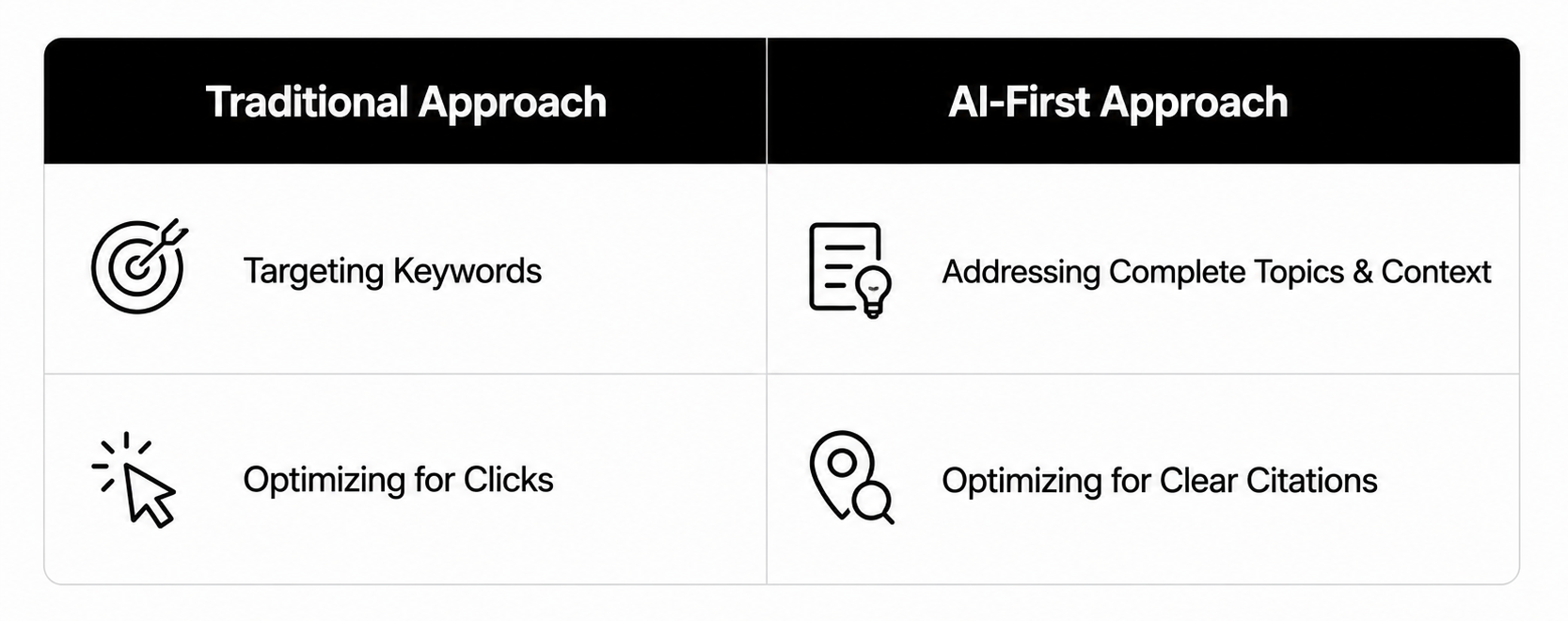
This brings us to the core of modern visibility: generative engine optimization. While standard optimization focuses on sending signals to web crawlers to rank an entire page, this newer discipline focuses on how information is parsed, contextualized, and ultimately cited within an AI’s written response.
Understanding the balance between SEO vs GEO is critical for any team building a modern digital presence. Traditional search optimization ensures that the technical foundation is sound, and the site is accessible. The newer approach ensures that when an AI engine is asked to compare top service providers or explain an industry process, the brand is the one it trusts and quotes.
Why is Machine Trust the New Authority?
In this updated environment, the metrics that once defined online success are changing. Getting thousands of passive clicks matters less than becoming a trusted reference point for AI systems. When an AI overview creates a summary for a user, it looks for clear, factual depth from reliable sources.
Recent industry studies indicate that roughly 89% of B2B buyers now use generative tools as a primary source of information during their research and evaluation processes. Furthermore, data reveals that zero-click marketing searches have climbed to around 60% across major platforms, meaning a majority of users find exactly what they need without ever leaving the search interface.
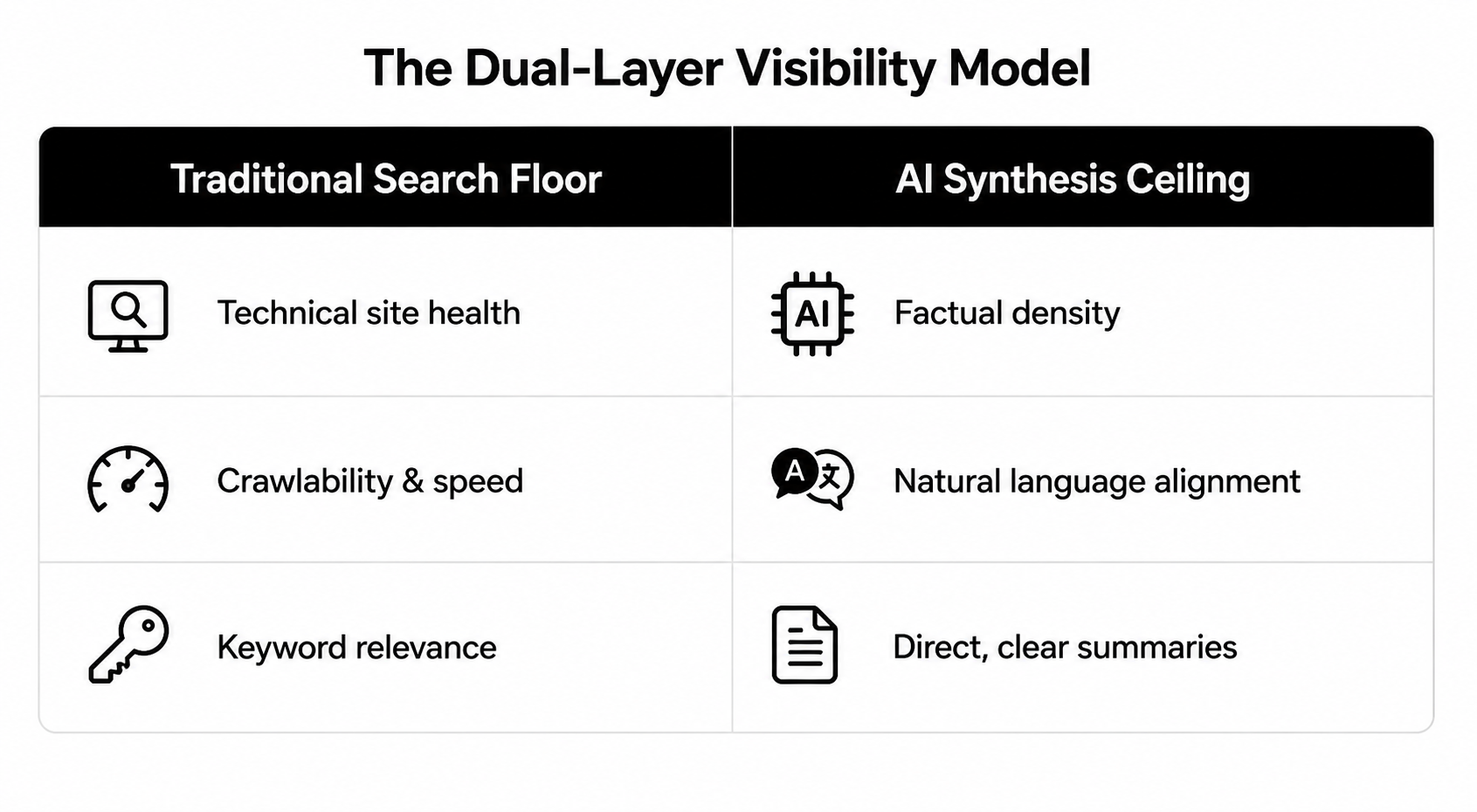
To adapt to these changes, a company’s modern B2B marketing strategy must treat digital content as a network of clear, verifiable facts. AI models do not guess they rely on patterns, structured data, and authoritative statements to build their answers.
Practical Ways to Optimize Your Digital Footprint
Adapting to this transition does not mean discarding your existing content assets. Instead, it involves refining how those assets are structured and presented so that both humans and algorithms can navigate them effortlessly.
1. Build a Clear Information Architecture
AI engines prefer content that gets straight to the point. Long, rambling introductions that delay answering the core question will cause both users and AI summary tools to look elsewhere.
- Lead with the definition
Provide immediate, direct answers to major industry questions right at the top of your pages.
- Use clear sections
Break down complex topics with logical headings that signal exactly what information follows. - Use lists and tables
Structured data lets an engine easily extract your insights and present them as a clean summary or comparison table.
2. Strengthen Brand Context Across the Web
An AI does not just read the website – it looks at what the broader digital world says about the brand. It cross-references your claims with forum discussions, industry publications, and independent reviews.
By expanding the digital presence across trusted third-party platforms, increases the likelihood that an AI model will view the company as an established authority. This comprehensive approach forms the basis of effective organic visibility solutions today.
3. Focus on Specific, Problem-Solving Topics
The future of SEO is less about repeating exact phrases and more about covering a topic with true depth. Instead of building thin, fragmented pages around minor keywords, focus on content campaigns including comprehensive resources that thoroughly address specific operational challenges.
When your assets answer the secondary and tertiary questions that naturally follow a main query, an AI engine recognizes that depth and uses your site as a foundational reference.
Aligning Design, Code, and Strategy
Achieving high visibility in modern search environments requires a close partnership between creative design, clean technical development, and an advanced AI content strategy. A website cannot just look good – its underlying code must make it easy for automated engines to read and understand.
When a digital platform combines clean user experience design with a highly organized data structure, it achieves two goals at once. It keeps human visitors engaged with an intuitive layout while giving AI engines a clear path to index and cite the answers. Through proper AI search optimization, alongside seamless connection between technical execution and strategic messaging ensures that the business stays visible exactly where modern decision-makers are looking for answers.
Conclusion: The Path to Long-Term Digital Relevance
Moving your focus toward generative engine optimization is not about chasing a passing trend – it is about preparing your business for a structural shift in how the world handles information. The organizations that adjust early will secure a distinct advantage, positioning themselves as the primary choices presented to buyers during their initial research phases.
By designing digital assets to be clear, highly structured, and rich in context, businesses protect their market presence from changing algorithms. True digital authority comes from providing reliable, easily accessible answers. Embracing this strategy ensures that as the underlying technology evolves, the brand remains the definitive answer that buyers see.
 :
https://www.makemybrandlabs.com/
:
https://www.makemybrandlabs.com/