


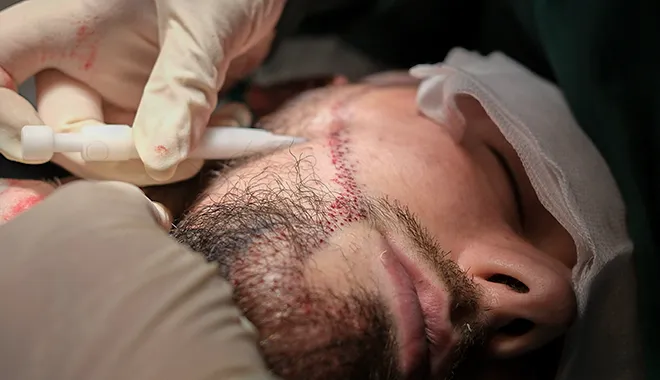
Men with sensitive skin often worry whether a Beard Hair Transplant is safe for them. Concerns about redness, irritation, or prolonged healing are common, but modern techniques and proper care make the procedure suitable for most skin types. Understanding how the treatment works, precautions for sensitive skin, and proper aftercare can help achieve natural-looking results without compromising skin health. This article explores the safety of beard hair transplants for sensitive skin and what to expect before, during, and after the procedure.
What Is The Treatment And How It Works?
A Beard Hair Transplant in Dubai(زراعة شعر اللحية في دبي) is a procedure that moves healthy hair follicles from a donor area, usually the scalp, to areas of the face with sparse or patchy beard growth. For sensitive skin, the key is minimizing trauma while ensuring follicles are properly implanted.
How The Procedure Works?
Hair follicles are carefully extracted from the donor area
Small incisions are made in the beard region with precision to reduce irritation
Follicles are implanted following natural hair direction
Initial shedding occurs before permanent regrowth
Local anesthesia is used to prevent pain and reduce stress on sensitive skin, ensuring a comfortable procedure.
Importance Of Safety For Sensitive Skin:
Sensitive skin is prone to redness, irritation, and slower healing. Ensuring safety during a beard hair transplant minimizes complications and supports optimal results.
Why Safety Matters:
Reduces risk of prolonged redness or inflammation
Promotes faster healing and follicle survival
Prevents unnecessary scarring or infection
Ensures the final beard looks natural without skin damage
With careful technique, even sensitive skin can tolerate the procedure effectively.
Types Of Treatment And Their Suitability:
Different transplantation methods may impact skin sensitivity and recovery time.
Common Techniques:
Follicular Unit Extraction (FUE): Minimally invasive with tiny puncture wounds, ideal for sensitive skin
Direct Hair Implantation (DHI): Precise implantation reduces trauma and irritation
Scalp-To-Beard Transfer: Suitable for larger areas but requires careful handling on delicate skin
Choosing the right technique ensures minimal stress to sensitive skin while achieving natural beard growth.
Preparation And Aftercare For Sensitive Skin:
Proper preparation and aftercare are essential to protect sensitive skin and ensure optimal results.
Preparation Guidelines:
Avoid alcohol, smoking, and blood-thinning medications before the procedure
Keep skin hydrated and avoid harsh skincare products
Inform the clinic of any known allergies or skin conditions
Aftercare Essentials:
Avoid touching, scratching, or rubbing the beard area
Keep the area clean and use gentle moisturizers recommended for sensitive skin
Allow scabs to fall off naturally
Avoid sun exposure and harsh chemicals during healing
Following these guidelines minimizes irritation and promotes smooth, healthy regrowth.
Ideal Candidate For Sensitive Skin:
Not every individual with sensitive skin will experience the same recovery. Proper candidacy improves safety and results.
Ideal Candidates Typically Have
Healthy, stable skin without active infections or severe dermatitis
Patchy or thin beard areas that require restoration
Realistic expectations regarding mild temporary redness or swelling
Willingness to follow specialized aftercare for sensitive skin
Candidates meeting these criteria usually experience minimal irritation and natural beard growth.
How To Choose The Right Clinic?
Selecting the right clinic is critical to ensure safety, particularly for individuals with sensitive skin.
What To Look For
Experience in handling sensitive skin during facial hair restoration
Skilled use of local anesthesia and minimally invasive techniques
High hygiene standards and gentle post-procedure care guidance
Clear communication about recovery expectations
A well-chosen clinic ensures a smooth procedure and reduces the risk of complications.
Risks:
While beard hair transplants are generally safe, sensitive skin may experience minor temporary effects.
Possible Risks Include
Redness or mild swelling lasting a few days longer than usual
Temporary tenderness or itching
Minor scabbing that resolves naturally
With proper technique and aftercare, these risks are minimal and do not affect long-term results.
Benefits:
A Beard Hair Transplant(زراعة شعر اللحية) on sensitive skin provides natural-looking results with minimal trauma when handled correctly.
Key Benefits:
Permanent, even beard growth in sparse or patchy areas
Natural hair direction and texture
Minimal irritation and quick recovery with proper care
Boosted confidence and improved facial aesthetics
Proper planning and gentle handling ensure that sensitive skin can tolerate the procedure safely.
FAQs:
Can Sensitive Skin Handle a Beard Hair Transplant?
Yes, modern techniques and careful handling make it safe for most sensitive skin types.
Will My Skin Be Irritated During Healing?
Mild redness or swelling is common but usually resolves within a few days.
How Can I Minimize Discomfort?
Follow pre-procedure instructions, use gentle aftercare products, and avoid touching or scratching the area.
Are the Results Permanent?
Yes, transplanted follicles grow permanently and blend seamlessly with natural beard hair.
Conclusion:
A beard hair transplant is safe for individuals with sensitive skin when proper techniques, preparation, and aftercare are followed. Modern minimally invasive procedures ensure minimal trauma, predictable healing, and natural-looking results. For men seeking facial hair restoration without compromising skin health, a Beard Hair Transplant in Dubai offers a reliable, safe, and effective solution for achieving a fuller, well-shaped beard.
 :
:









